
Reading
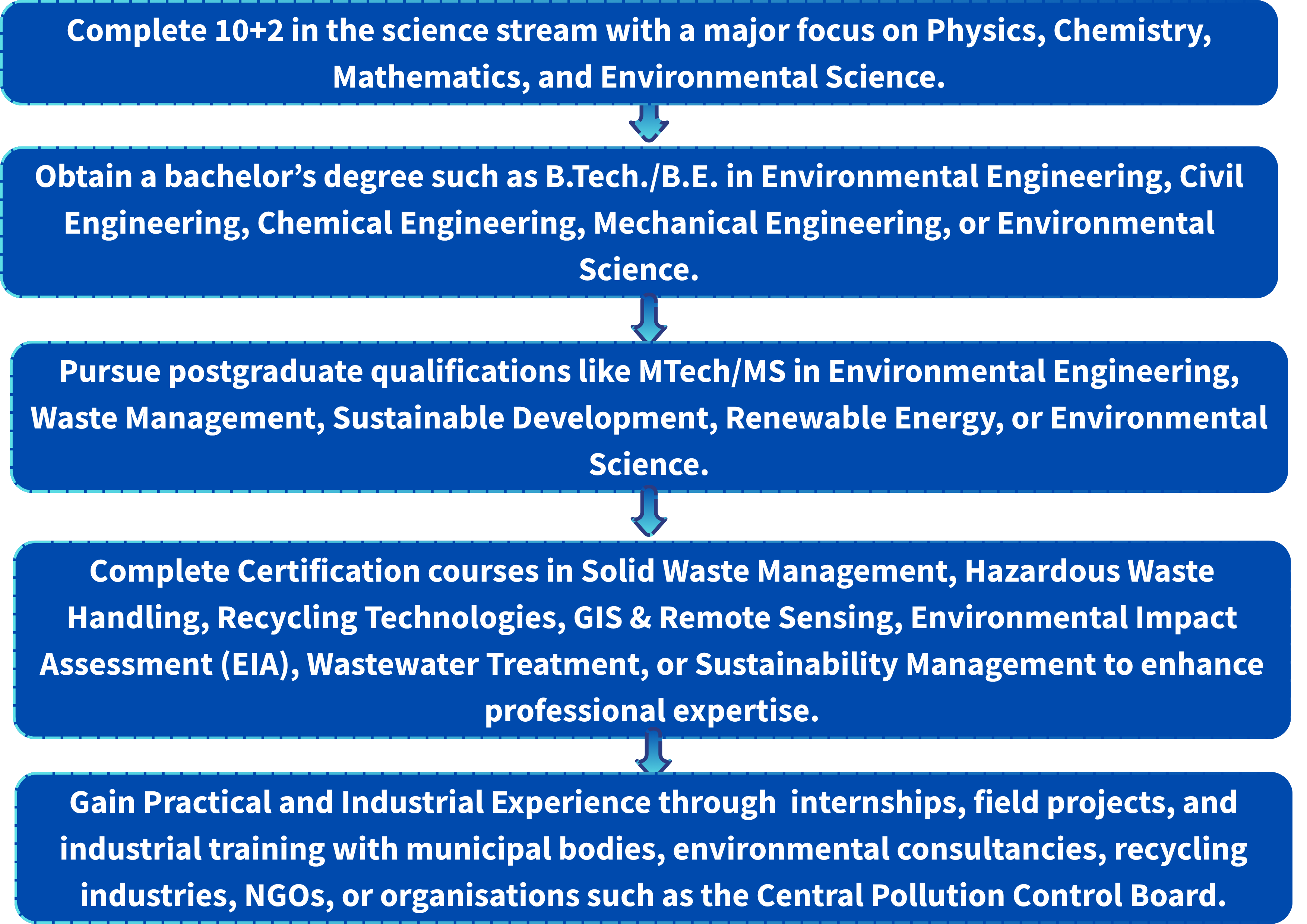
Options


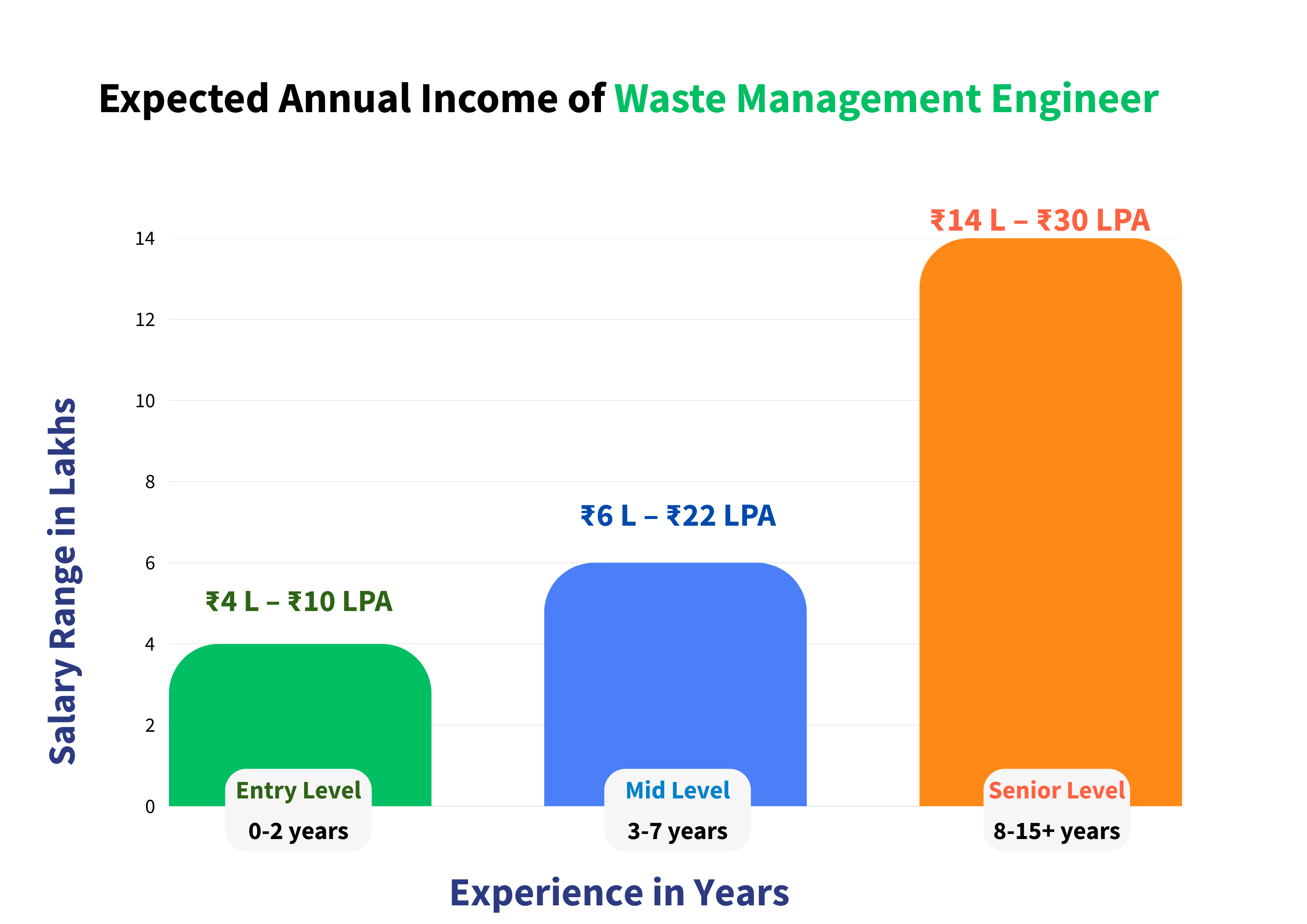
A waste management engineer is a professional who develops, implements, and oversees systems and technologies for efficient waste collection, treatment, disposal, and recycling. Their work ensures environmental sustainability, regulatory compliance, and resource recovery by creating innovative, eco-friendly solutions to manage waste effectively across industrial, municipal, and residential sectors.
Technical Skills
Analytical & Problem-Solving Skills
Project & Compliance Skills
Soft Skills
Digital & Software Skills
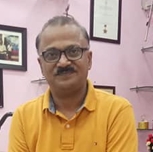
Dr. Rajat Kumar Panigrahi
Dr. Rajat Kumar Panigrahi, Principal of Government ITI Brahmapur and a native of Paralakhemundi, is known for transforming scrap vehicle parts into creative installations. He turned the institute into a visitor attraction with unique structures made from discarded materials, including a 70-ft guitar, a 35-ft giraffe, a 22-ft fish, and an 18-ft Predator figure. With the help of his students, he has reused nearly 20,000 tonnes of scrap to create artistic and functional items, even small pieces like watches made from cycle chains. His innovative work has been praised by Subroto Bagchi and honoured by Governor Prof. Ganeshi Lal. Popularly called the “Scrap Man of Odisha", he promotes creativity, teamwork, and sustainable use of waste materials.

For More Information , Visit Our Youtube Channel