




Reading
Options


A veterinary doctor is a healthcare professional who diagnoses, treats, and prevents diseases in animals, including pets, livestock, and wildlife. They play a crucial role in ensuring animal health, food safety, and public health. Veterinary doctors work at clinics, farms, research centres, and government departments to contribute to animal welfare and rural livelihoods.
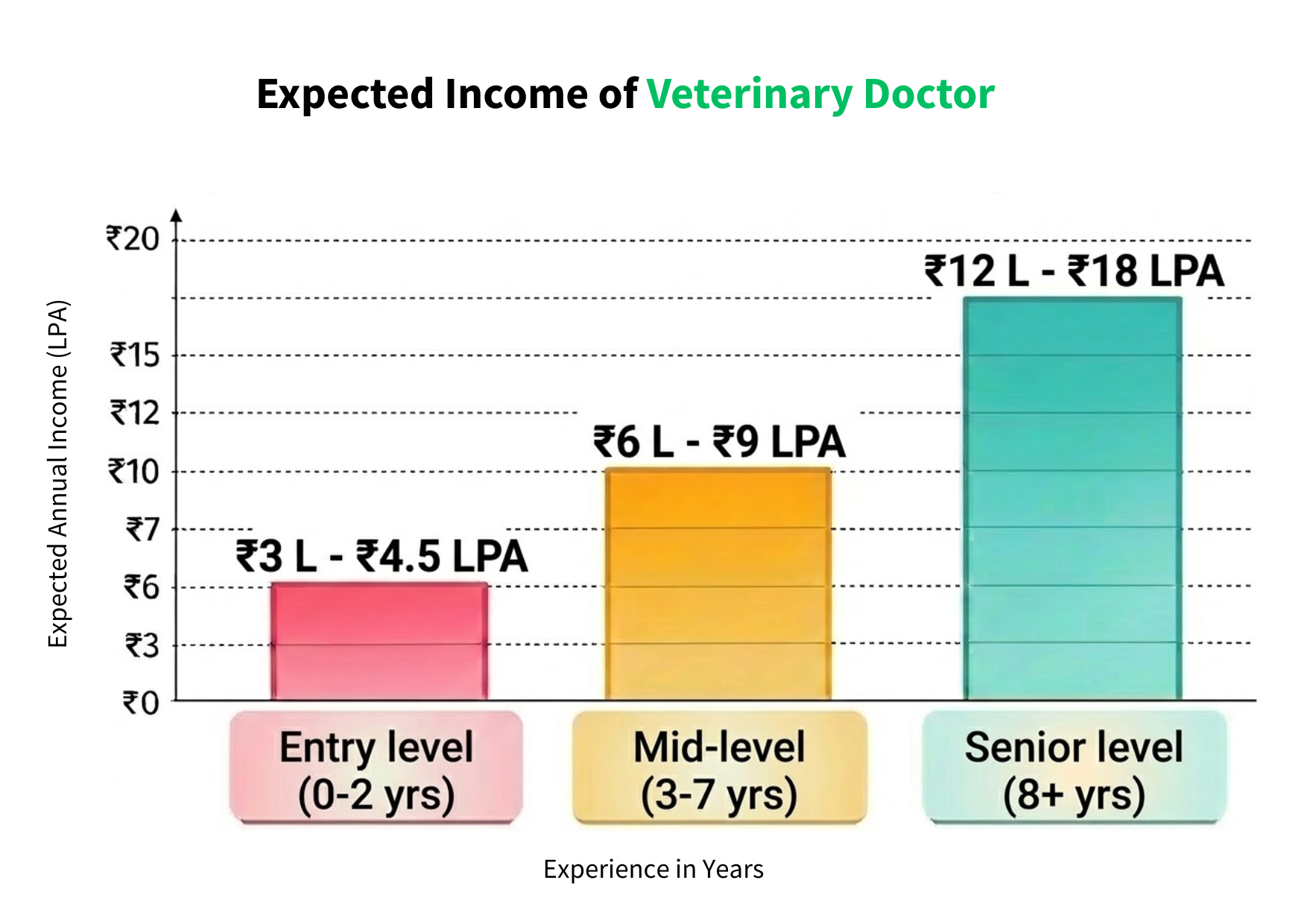
Knowledge on animal medicine
Good communication
Empathy for animals
Teamwork & leadership

Dr. Balaram Sahu
Dr. Balaram Sahu, a distinguished veterinarian from Tulasipal village in Angul district, Odisha, has made remarkable contributions to improving animal health in rural communities. Born on June 16, 1962, he pursued higher education in veterinary sciences and earned a Master’s degree in Animal Virology. He currently serves as a scientist at the Orissa Biological Products Institute, Bhubaneswar.
In 2008, Dr. Sahu initiated an innovative outreach programme called “Pathe Pathshala”, a mobile education initiative designed to educate farmers and rural women on animal healthcare practices. Through village visits, interactive workshops in local languages, and creative methods such as songs and poems, he made learning accessible and engaging. His efforts have reached over 100,000 villagers, enhancing their knowledge of cattle disease management and improving livelihoods. In recognition of his impactful work, he was honoured with the National Award for Science and Technology Communication in 2011, highlighting the transformative role of veterinary science in rural development.

For More Information , Visit Our Youtube Channel

