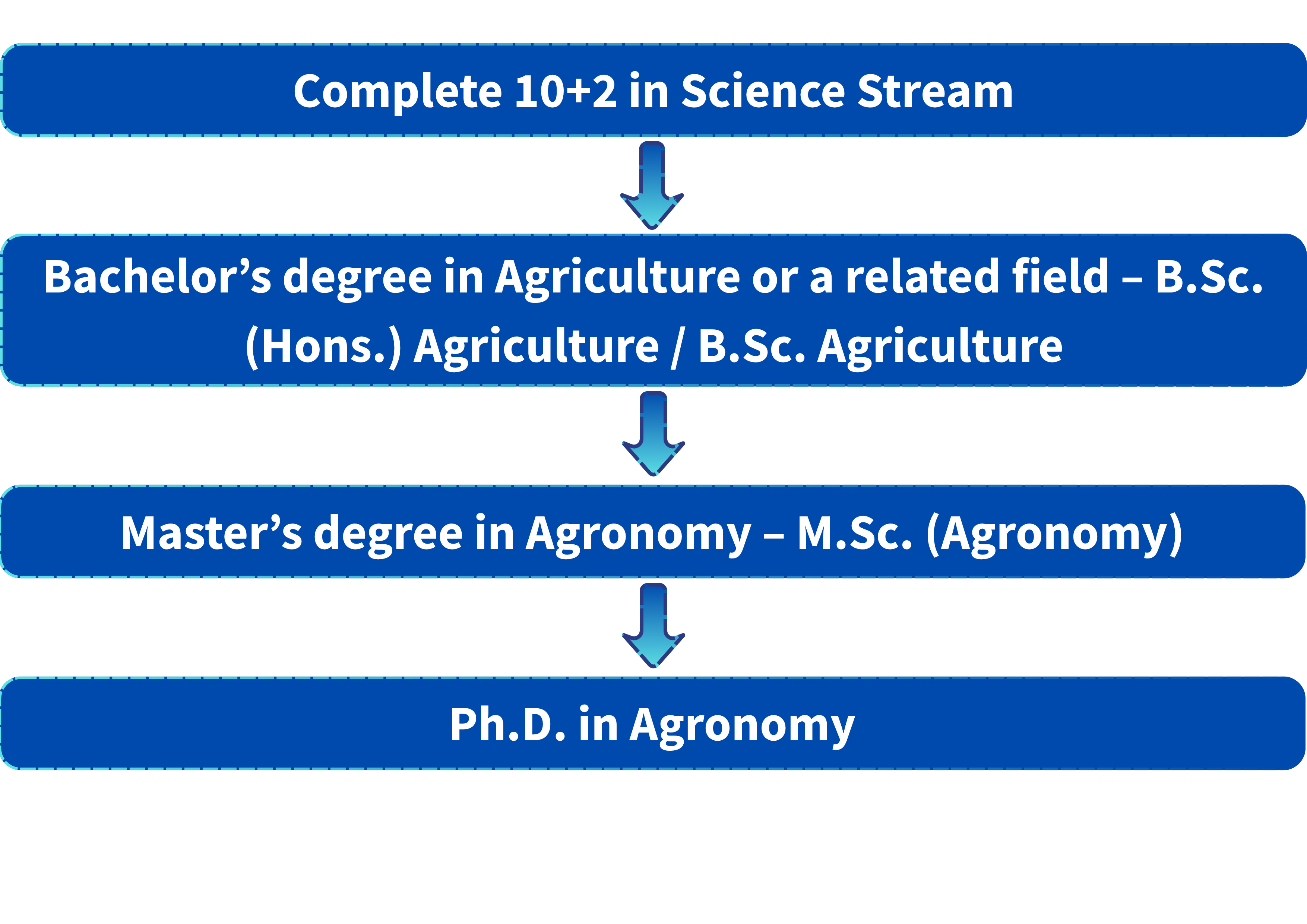


Reading
Options


NCS CODE: 2132.0100
Agronomists are agricultural scientists who specialise in crop production and soil management. They study how plants, soils, climate, water, nutrients, and farming practices interact and then design practical solutions to improve yield, quality, and farm income. Their work includes developing better cropping patterns, fertiliser plans, and pest management practices while conserving soil, water, and biodiversity. In India, agronomists play a key role in making agriculture a climate‑resilient and sustainable by promoting practices like integrated nutrient management, conservation agriculture, and water‑saving irrigation methods.
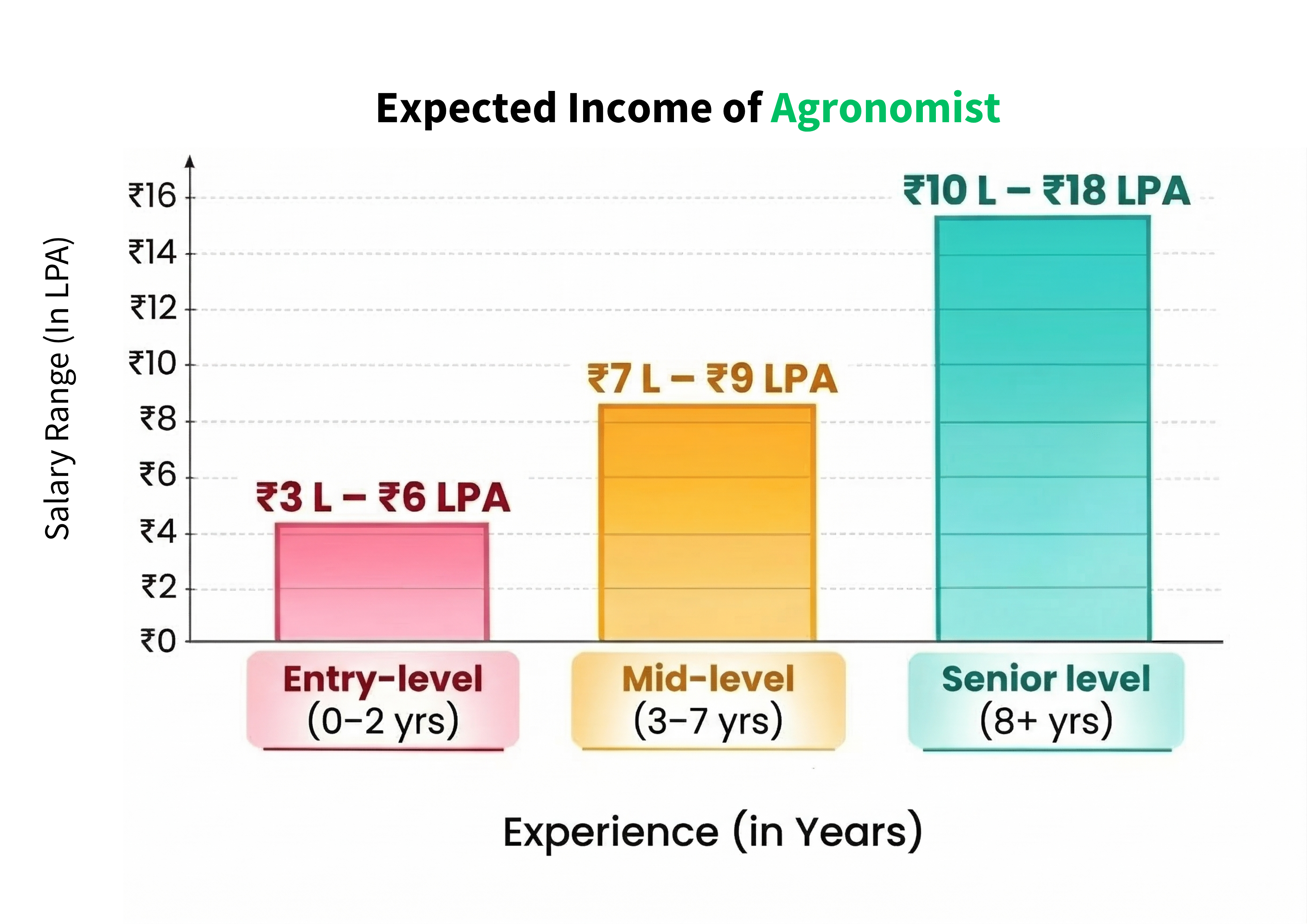
Analytical Skills
Problem-Solving Skills
Communication Skills
Technical Skills
Research Skills
Teamwork and Collaboration Skills

Dr. Swati Nayak
Dr. Swati Nayak, a pioneering agricultural scientist from Odisha and South Asia who leads seed systems and product management at the International Rice Research Institute (IRRI), was honoured with the 2023 Norman E. Borlaug Award for Field Research and Applications by the World Food Prize Foundation. She is known as an "outstanding young scientist" and has led more than 10,000 on-farm trials with over 500 rice varieties. These trials have led to the spread of more than 20 climate-resilient, biofortified rice strains. Her work helps smallholder farmers, especially women, and supports seed systems in Asia and Africa that are open to everyone and based on demand.

For More Information , Visit Our Youtube Channel