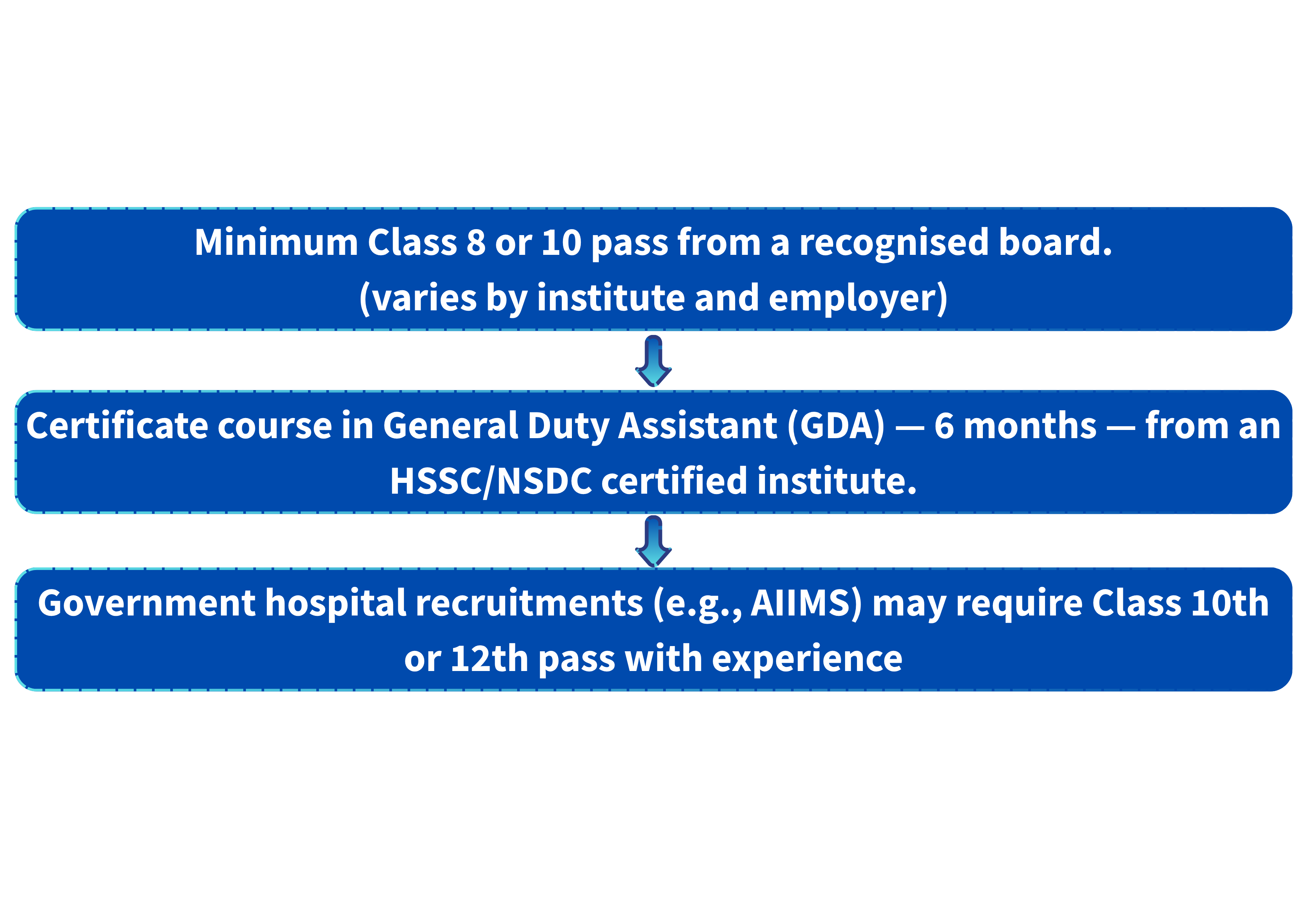


Reading
Options


NCS Code: 5329.0101
A Ward Boy is a key non-clinical support worker in hospitals, nursing homes, clinics, and home care settings. They assist doctors and nurses by taking care of patients' daily needs, maintaining cleanliness and hygiene, transporting patients within the hospital, and ensuring the smooth running of wards. Though they do not perform medical procedures, they are an essential part of the healthcare team and contribute directly to patient comfort, safety, and recovery.
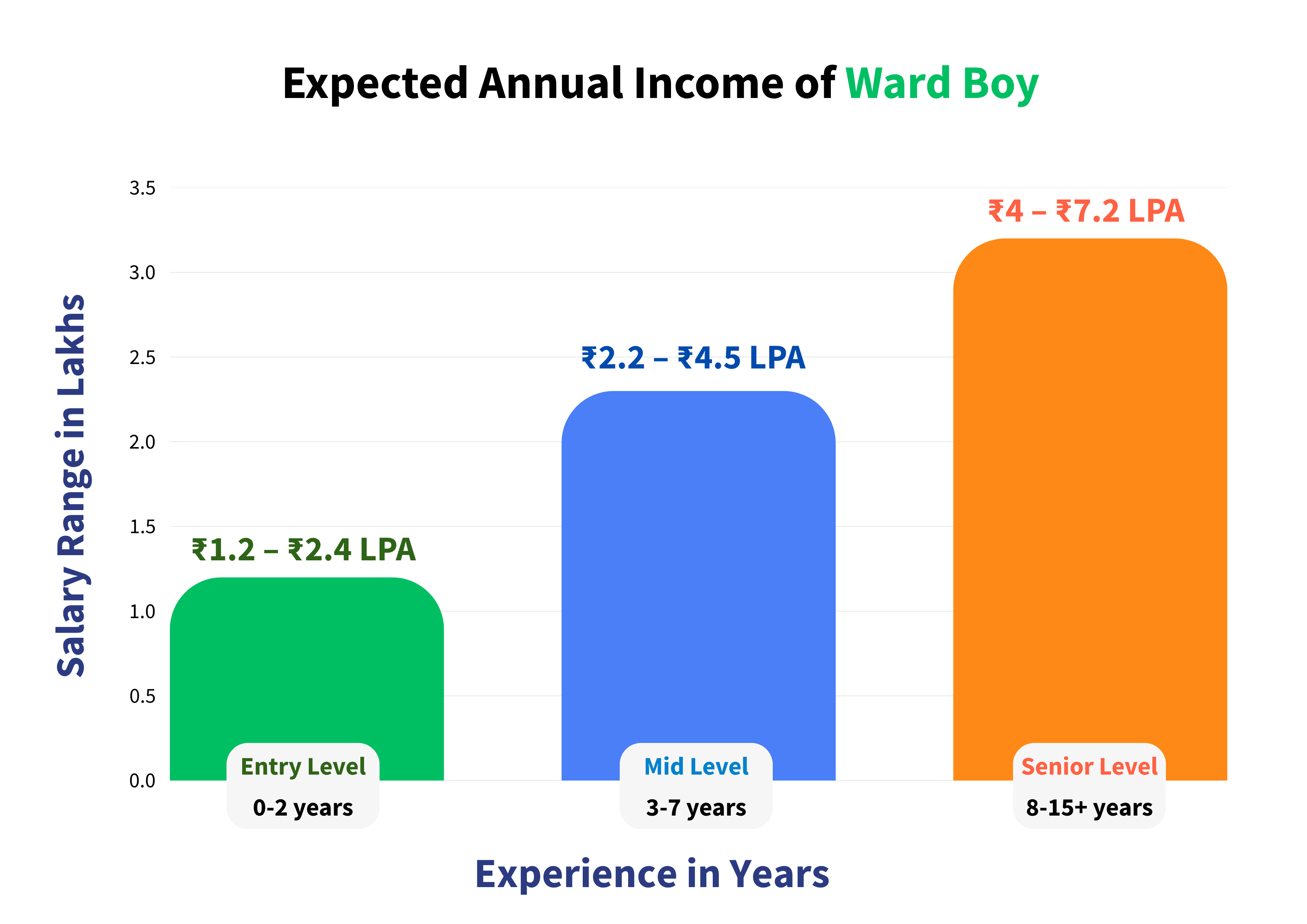
Empathy, compassion, and patience with patients
Physical fitness and stamina for active ward duties
Basic communication and interpersonal skills
Ability to follow instructions from nurses and doctors precisely
Awareness of hygiene, infection control, and biomedical waste disposal
Team coordination and alertness in emergency situations
Respect for patient dignity and confidentiality

Rahul Narvekar
Rahul Narvekar, the founder of IndianRoots, has one of India's most inspiring rags-to-riches stories. In his early days, he had to work as a ward boy, a delivery boy, give tuitions, and take up many other small jobs just to fund his own education. Although Rahul was among the brilliant students in college, he kept juggling between institutions because he didn't have enough money to pay his fees. Despite the hardships, he completed his bachelor's degree and enrolled in a business entrepreneurship course. After completing college, he worked for TSN and became a part of Asia's first music channel — Oxygen , though it could not survive. He then co-founded fashionandyou.com, a successful eCommerce store, but had to leave it due to personal issues.

For More Information , Visit Our Youtube Channel