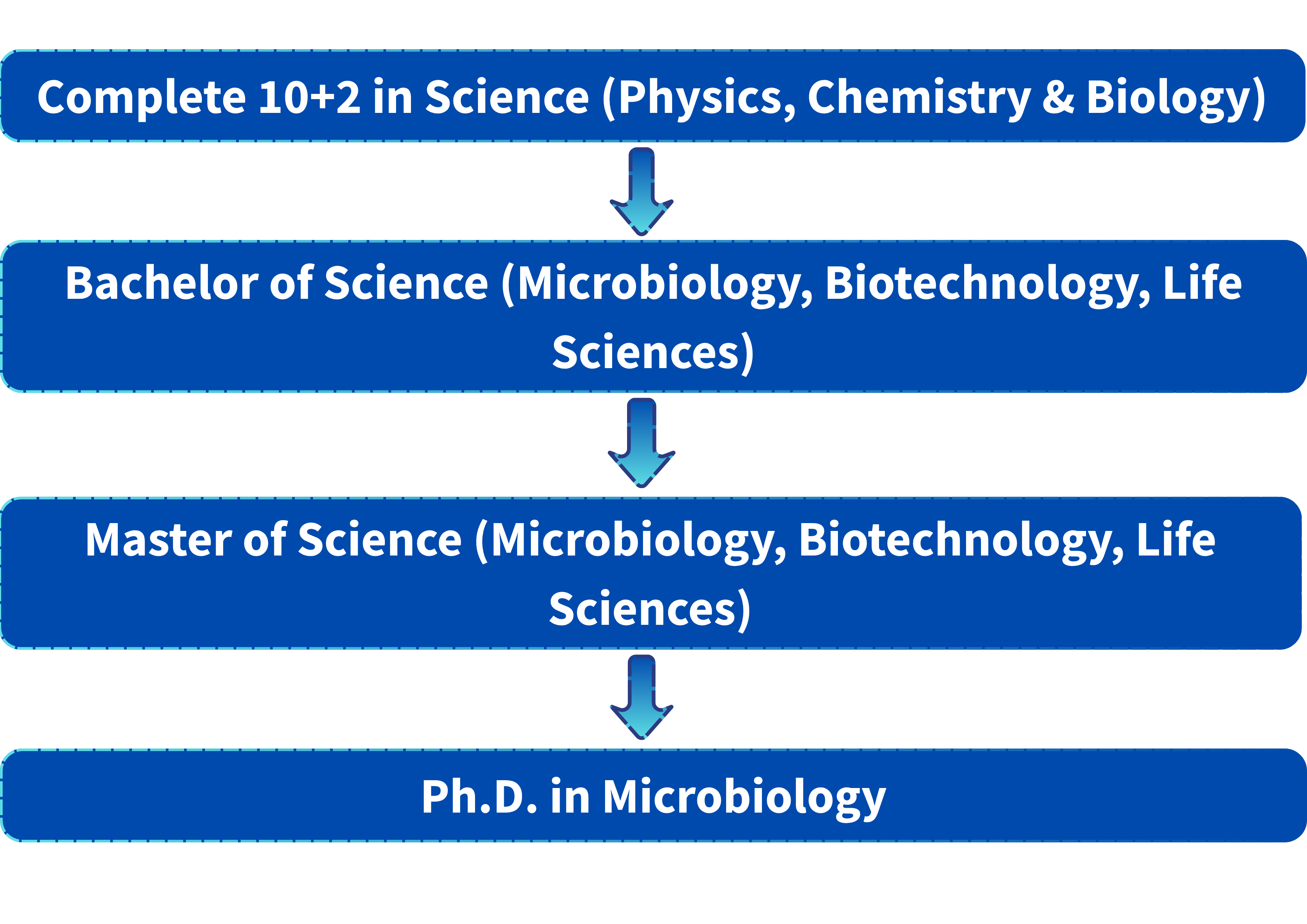


Reading
Options

NCS CODE: 2131.0100
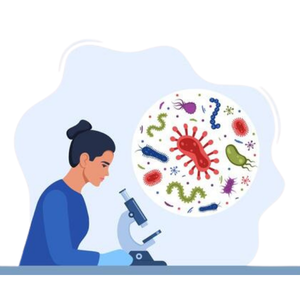
A Microbiologist studies microorganisms such as bacteria, viruses, fungi, and protozoa using laboratory techniques and scientific tools. They conduct laboratory research to understand microbial behaviours and develop solutions for healthcare, pharmaceuticals, agriculture, food safety, and environmental protection. Microbiologists contribute to vaccine development, disease diagnosis, biotechnology innovation, and environmental sustainability. Their research helps industries such as biotechnology, pharmaceuticals, healthcare, and environmental science develop innovative solutions to global challenges.
Analytical thinking
Scientific research capabilities
Attention to detail
Problem-solving
Communication skills
Teamwork

Dr. Ramesh Chandra Ray, who is from Jajpur, Odisha, is a well-known expert in the fields of agricultural and food microbiology. He was the Principal Scientist and Head of the Regional Centre at the ICAR–Central Tuber Crops Research Institute in Bhubaneswar. His research encompasses fermented food systems, food security, and the bioprocessing of agricultural and food waste. Stanford University named Dr. Ray one of the top 2% of scientists in the world in 2021, 2022, and 2023 because of the global impact he has had in his field. He is a prolific author and editor of many scholarly books.
Source
For More Information, Visit Our YouTube Channel