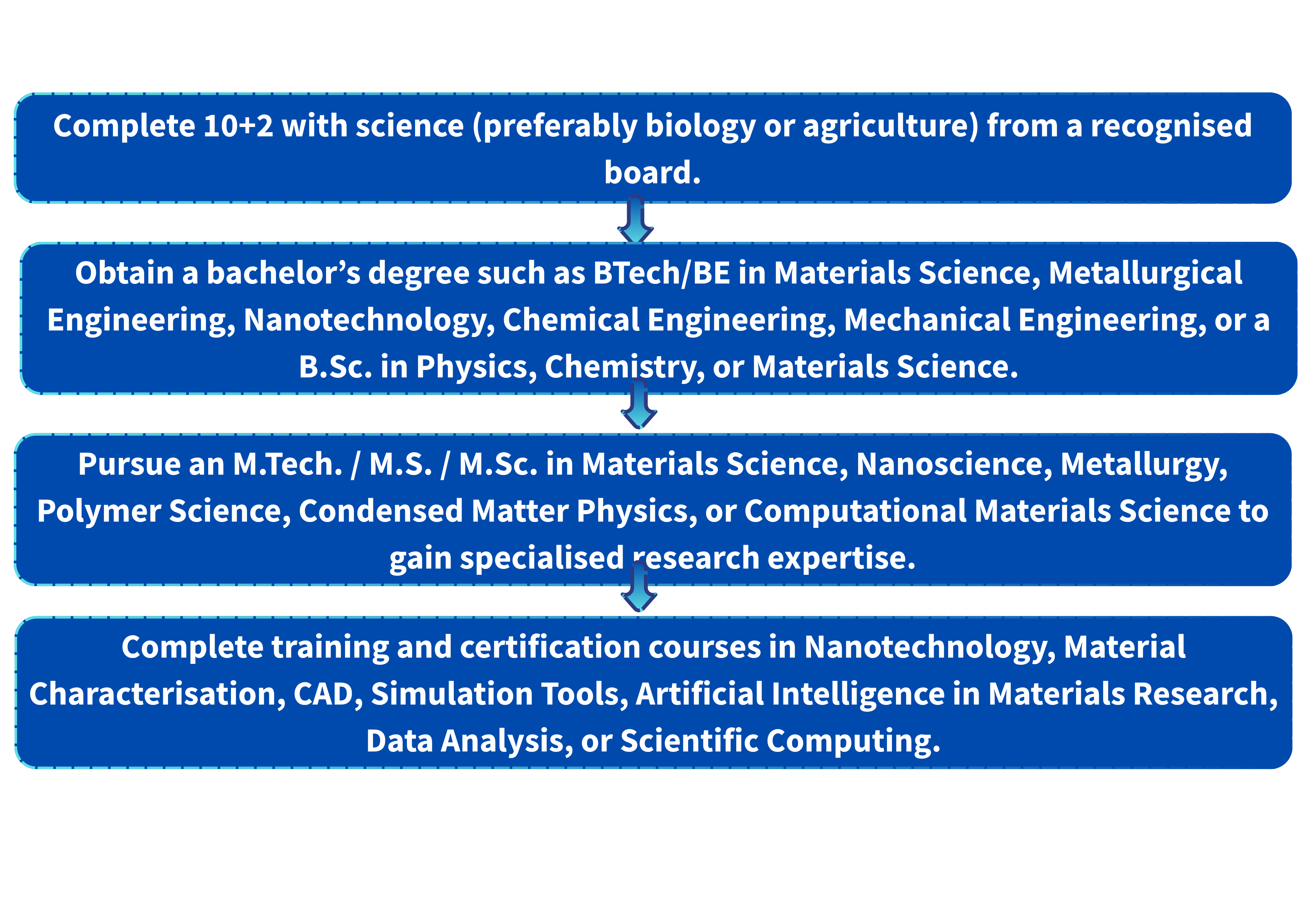


Reading
Options


NCS Code: 2111.1100
A material scientist studies how the structure, composition, and processing of metals, ceramics, polymers, semiconductors, composites, and nanomaterials affect performance. They design and test new materials, improve existing ones, and support sectors such as electronics, aerospace, energy storage, healthcare, defence, and manufacturing. Their work turns scientific insight into durable, efficient, and sustainable products.
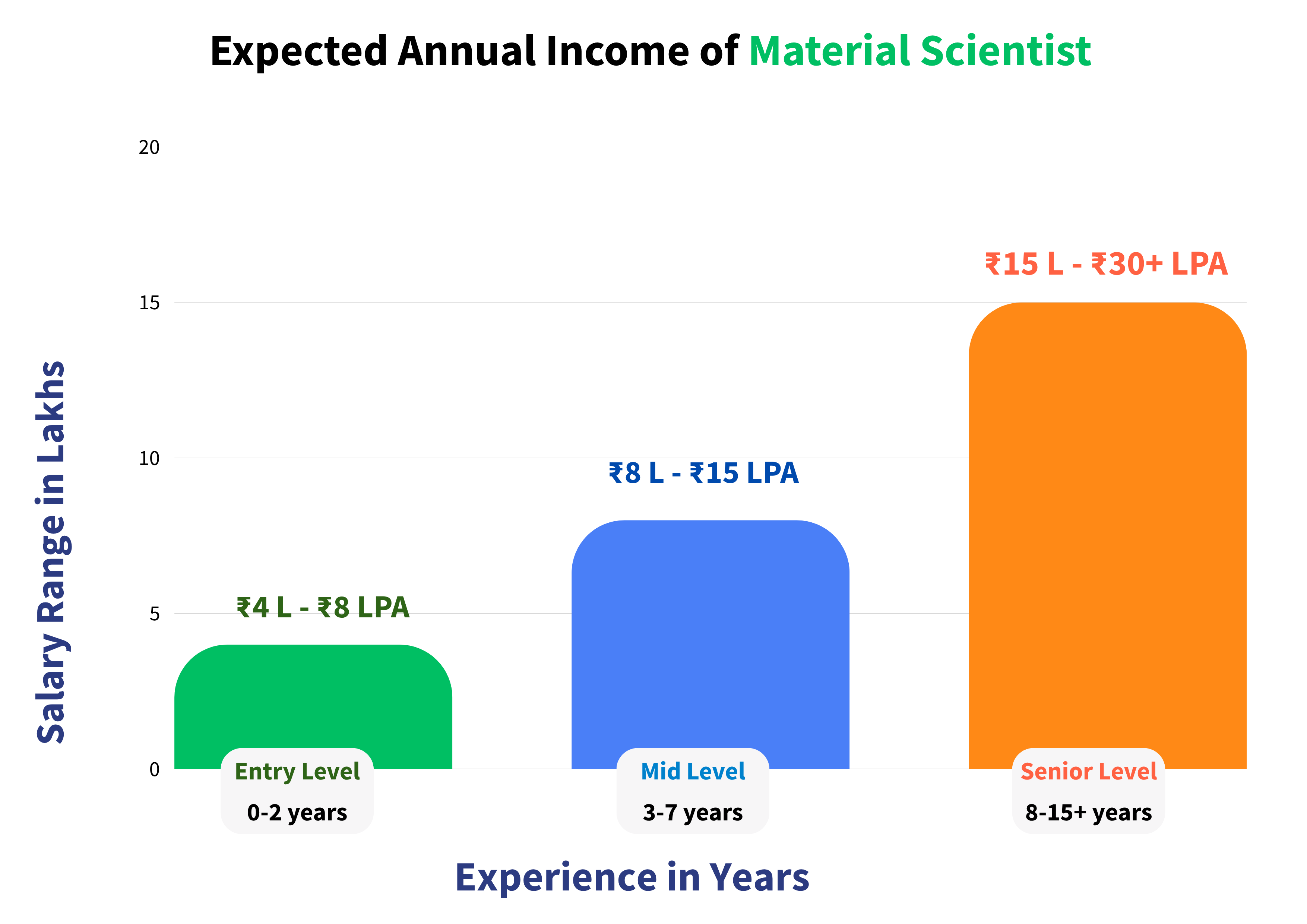
Strong analytical thinking
Problem-solving ability
Laboratory and instrumentation skills
Communication
Scientific documentation
Computer skills
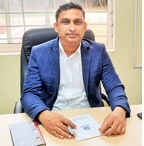
Dr. Bikash Kumar Jena
Dr. Bikash Kumar Jena, a scientist at CSIR-IMMT, Bhubaneswar, has built a respected career in materials chemistry and interfacial engineering. His work has earned major recognition, including the Samanta Chandra Sekhar Award from the Odisha Bigyan Academy and fellowship of the Royal Society of Chemistry. His journey shows how a materials science career can grow from laboratory research into nationally recognised scientific leadership.

For More Information , Visit Our Youtube Channel