





Reading
Options


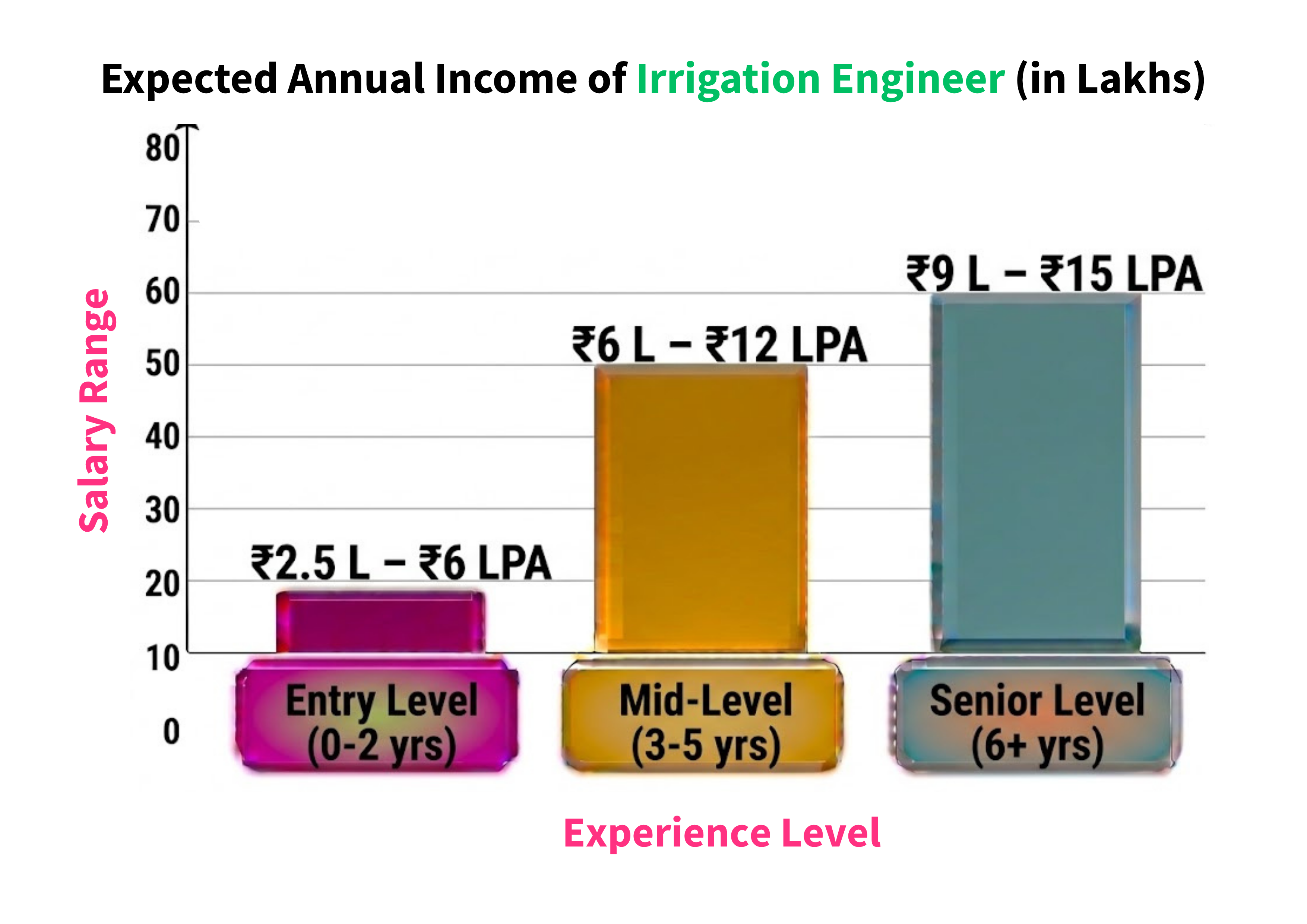
An irrigation engineer is a specialised professional in civil or agricultural engineering who focuses on the design, implementation, and maintenance of efficient irrigation systems. Their work supports agriculture, landscaping, and overall water resource management. The primary objectives of an irrigation engineer are to optimise water distribution for crop growth, promote conservation, and ensure sustainable land and water resources.
Technical Skills
Analytical & Problem-Solving Skills
Communication Skills
Adaptability Skills
Teamwork & Leadership Skills
Prof. (Dr.) Bhubaneswar Behera
Prof. (Dr.) Bhubaneswar Behera, born in 1916 in Kalahandi, Odisha, was a pioneering civil engineer and educationist. He studied Physics at Ravenshaw College and later earned a Civil Engineering degree from Bihar College of Engineering, Patna. He worked with the Odisha Government and Mysore’s Irrigation Department, contributing to the Jog Hydropower Project. He later became the founding principal of NIT Rourkela and proposed an innovative project to divert the Indravati and Hati rivers for hydropower generation and irrigation development.

For More Information , Visit Our Youtube Channel

