
Reading
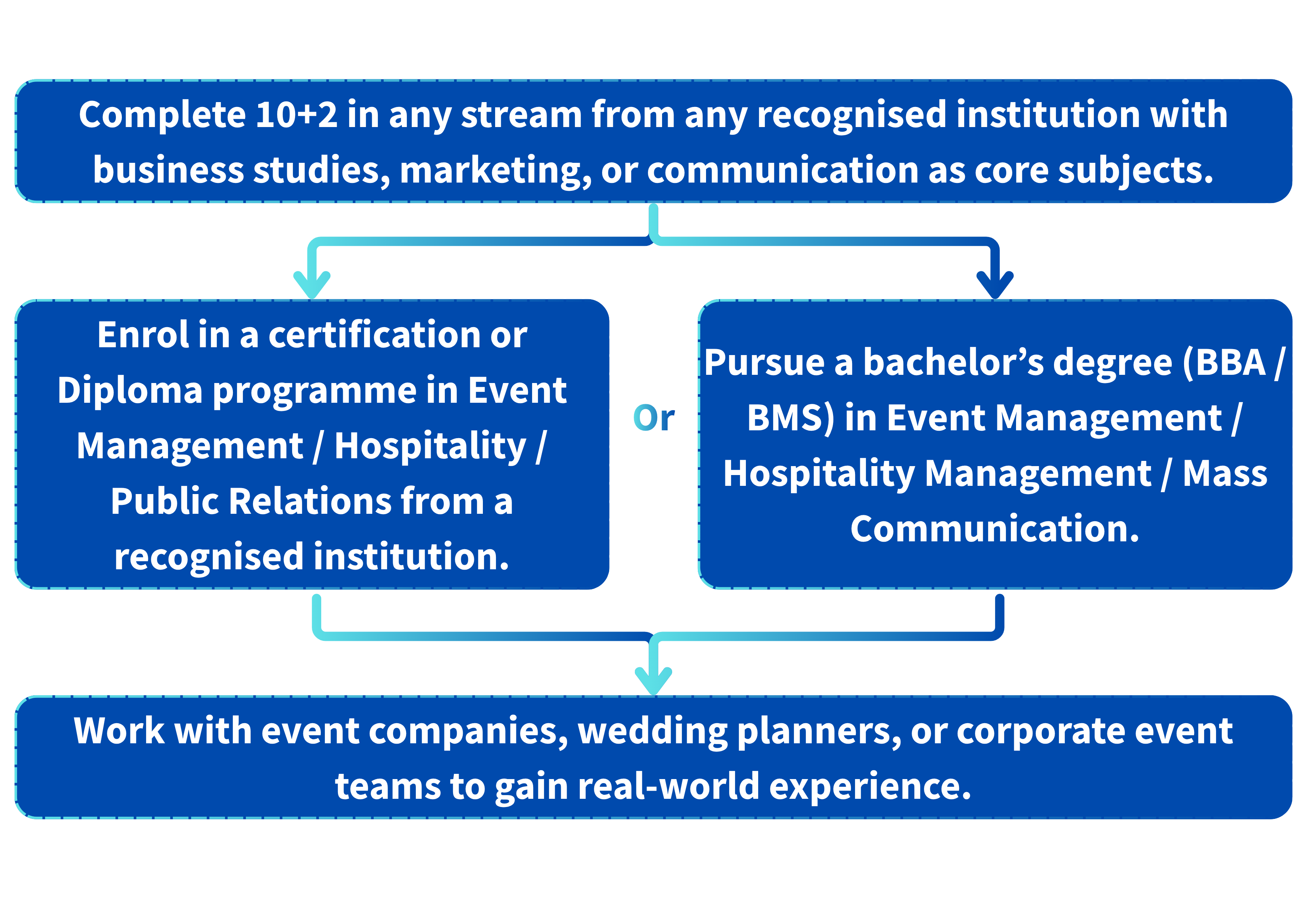
Options


NCS Code: 3332.0100
An event manager plans, coordinates, and executes events like weddings, conferences, festivals, and corporate functions. They handle budgeting, venue selection, vendor negotiations, logistics, marketing, and on-site execution while managing teams and troubleshooting issues. Strong organisational skills, creativity, communication, and crisis management are key to delivering seamless, memorable experiences within tight deadlines and budgets.
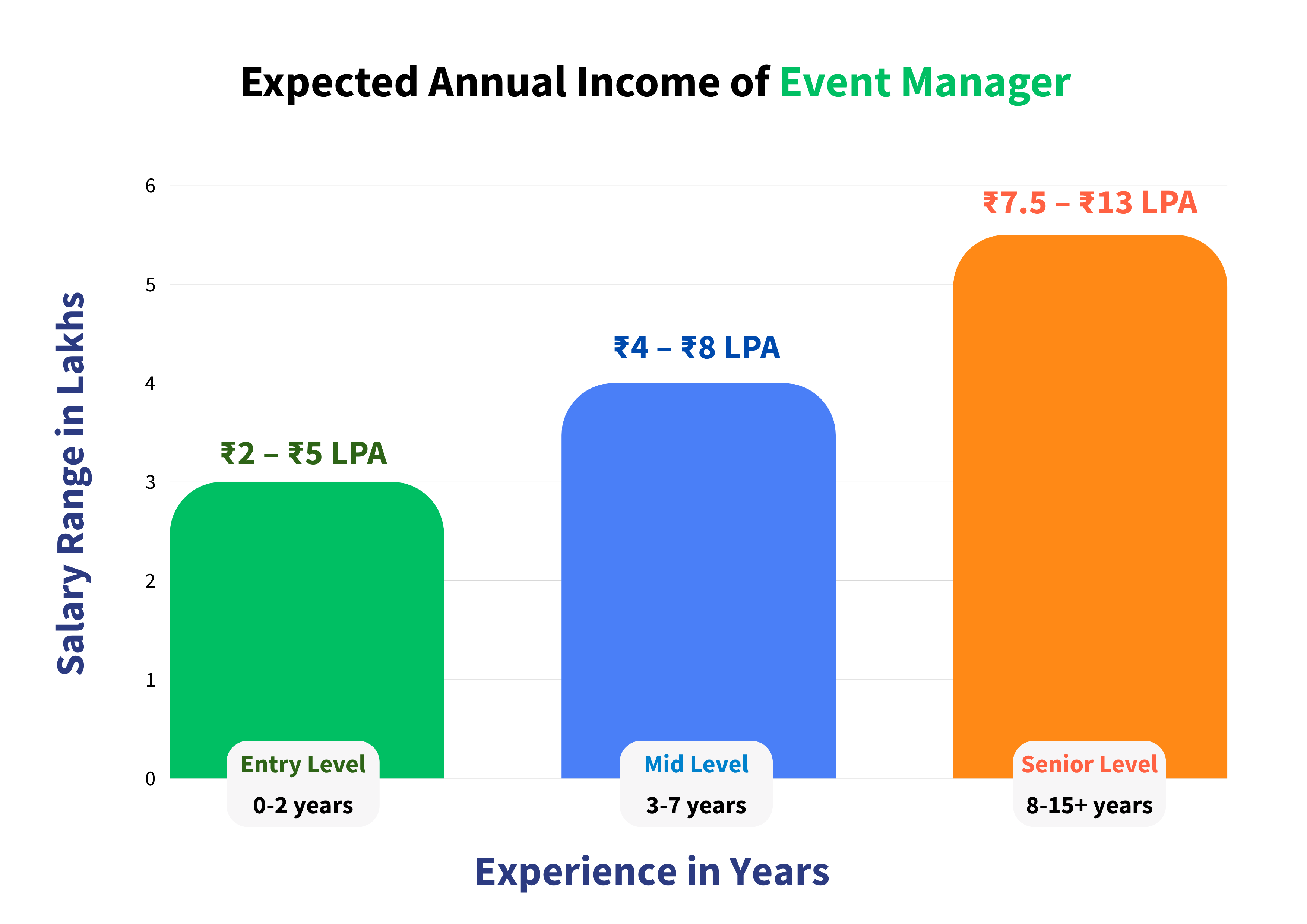
Strong communication and interpersonal skills
Creativity Teamwork and coordination
Time management and organizational skills
Problem-solving and decision-making ability
Attention to detail
Leadership and team coordination
Budget management
Negotiation skills
Ability to work under pressure

Ramesh Barik
Ramesh Barik grew up in a small village in Dhenkanal, Odisha, with nothing but a big dream and a love for cinema. As a young boy, he had no money or help, so he started at the very bottom working as a small-time photographer. He spent years working 18 hours a day behind closed doors, learning how to manage small crowds and organise local stage shows. He slowly built his own company, RR Events, and went from a village boy to a global leader who has managed over 1,800 events in places like Dubai, Singapore, and London. His story proves that if you start with a small camera and work hard in your own village, you can eventually produce movies and manage the biggest award nights in the world.

For More Information , Visit Our Youtube Channel